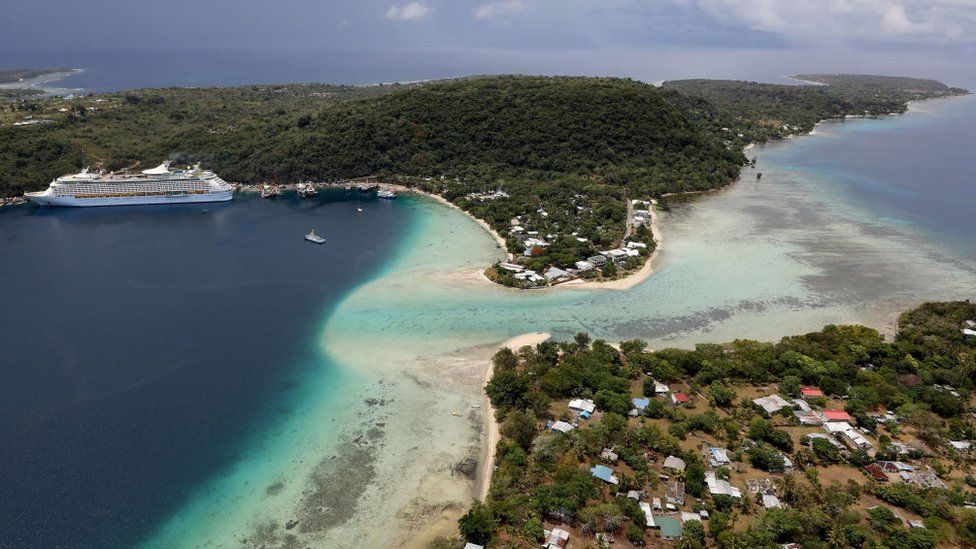
Global Offshore Business Environment in Vanuatu Over the past several decades, Vanuatu has positioned itself as an enticing prospect for businesses and investors seeking tax-efficient jurisdictions. Established as a tax haven since 1971, Vanuatu reinforced its financial services sector in 1993 with the International Companies Act, modeled after the legislations of the Bahamas and British Virgin Islands. This archipelago, nestled in the South Pacific and comprising eighty islands, provides a tropical paradise for businesses desiring a secure and tax-transparent international corporate structure. It is a zero-tax jurisdiction that offers confidentiality for the details of directors and shareholders, without any financial requirements. Even as Vanuatu provides substantial tax benefits, it abides by a number of international treaties and organizations due to global pressure. It maintains international financial procedures, including Anti-Money Laundering and ‘Know Your Customer’ policies, to promote a trustworthy business environment. Why Vanuatu Stands Out as a Tax Haven Vanuatu offers a plethora of benefits that cement its position as a tax haven: Delving Deeper into Vanuatu’s Appeal as a Tax Haven Location Vanuatu, an island nation in the South Pacific, is an archipelago of eighty-two islands, sixty-five of which are inhabited. The islands are situated northeast of Australia, west of Fiji, and east of New Guinea, stretching across a 1,400-kilometer expanse of the ocean. Political Structure Vanuatu, which means ‘Our Land’ in the Melanesian language, gained independence in 1980, after being jointly ruled by the British and the French since 1880. It is a parliamentary democracy with the Prime Minister serving as the head of government, who appoints a Council of Ministers acting as a Cabinet. A largely ceremonial President serves as the head of the Republic, while a unicameral Parliament consists of fifty-two members elected to four-year terms. A Council of Chiefs, known as the Malvatu Mauri, represents district-level tribes and advises the government on cultural matters. Economy and Infrastructure Vanuatu’s economy is propelled by agriculture, tourism, offshore financial services, and cattle. With a significant portion (80%) of the population engaged in farming, agricultural products like copra, kava, beef, cocoa, and timber account for 60% of Vanuatu’s exports. The tourism industry is a rapidly growing sector, accounting for nearly 40% of GDP. The government promotes the offshore financial sector through supportive financial legislation, contributing to approximately 7% of the country’s GDP. Despite initial resistance, Vanuatu has conformed to international financial regulations under pressure from foreign governments, ensuring its standing with bodies like the OECD and FATF. Exchange Control In Vanuatu, there are no exchange controls, and all major currencies are accepted in banks. Legal Framework Vanuatu operates under a Common Law jurisdiction, with pre-independence British laws serving as the foundation of its legal system, unless deemed incompatible with the country’s independence. Corporate Legislation Vanuatu’s primary corporate legislation is built upon The Companies Act (Cap 191), the International Companies Act (1993), and the Banking, Insurance, Stamp Duties, and Trust Companies Acts. Taxation Vanuatu’s International Companies enjoy a minimum of twenty years’ exemption from all local taxes, including, but not limited to, Dividends tax, Corporate tax, Value Added Tax, Stamp Duty, Estate tax, and Inheritance tax. Conclusion In light of its appealing tax advantages, stable political environment, and strategic location, Vanuatu emerges as a compelling choice for businesses looking for offshore opportunities. However, each company’s unique requirements and circumstances should be considered before making a decision. Vanuatu is undeniably a tax haven, but it is essential to evaluate whether it is the right tax haven for your business.
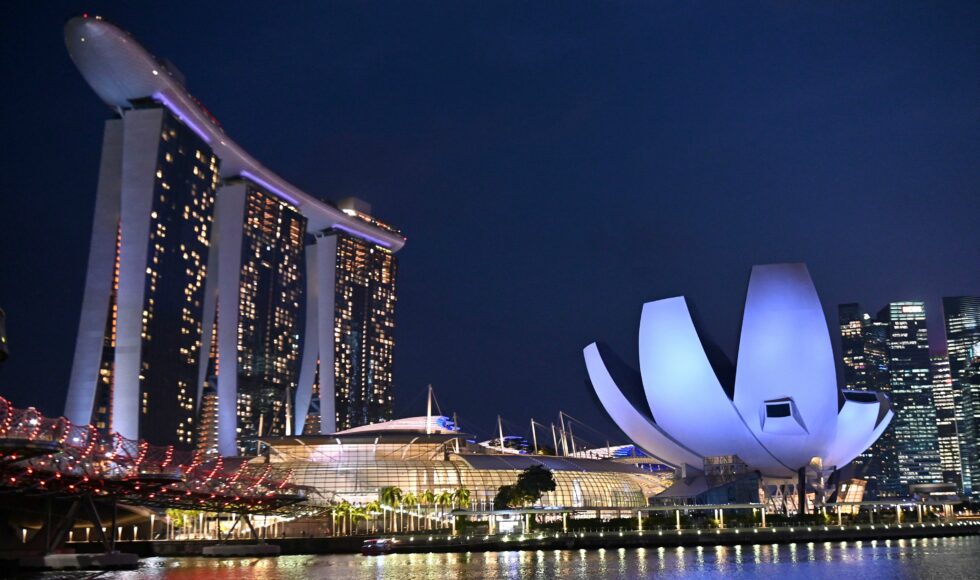
A Booming Business Landscape in Singapore Singapore’s accelerated economic growth and advanced infrastructure have steadily catapulted it into becoming one of the most thriving economies in Asia. This city-state’s allure as an excellent business destination is reflected in its capture of 16% of all offshore investments, driven by its open-market economy, investment-friendly climate, and appealing tax policies. Singapore’s designation as a tax haven stems from the tax advantages it offers to offshore non-resident companies. The city-state’s dramatic evolution as a regional trading hub for finance and commerce over the last twenty years has solidified its position as the gateway to Asia’s banking and investment markets. Singapore’s array of Free Trade Agreements (FTAs) and Double Taxation Treaties (DTTs) further underscore its competitiveness and market openness. Tax Haven: A Hub for Financial Operations With its favorable corporate taxation laws and government incentives, Singapore is home to several regional banking headquarters, drawing funds and investment companies to cater to the nearly 150,000 registered SMEs in the country. Attracting foreign investors isn’t solely due to generous tax breaks and a conducive business environment, but also favorable immigration policies implemented by the government. Singapore’s banking system is robust and ranks among the strongest globally. Offshore bank accounts in Singapore are available to non-residents. However, the process of opening accounts without an associated Singapore offshore company, a bank letter, and proof of funds is becoming more challenging. The Implications of Offshore Banking in Singapore While opening a personal offshore account is possible, it might be challenging without a substantial deposit upwards of 100,000 USD. Singaporean banks have grown cautious of non-residents seeking to open accounts without clear business plans or explicit purposes due to increased scrutiny from international bodies like the OECD and FATF. A Stable Environment for Offshore Investment Singapore offers a stable political landscape and a reliable rule of law, providing non-residents a sense of tranquility and security. With a robust judicial system, effective anti-corruption measures, and efficient international arbitration regulations, Singapore stands as one of the world’s safest places to live and conduct business. Why Choose Singapore as a Tax Haven? Singapore offers an array of benefits that make it attractive for offshore investment and operations. These include: Background: Singapore as a Tax Haven Located in South East Asia, Singapore is an island city-state lying one degree north of the equator on the southern tip of the Malay peninsula. Singapore has undergone extensive land reclamation since independence, expanding its size considerably. Politically, Singapore is a parliamentary republic with a Westminster-style unicameral parliamentary government. The nation is known for its unique “Singapore model,” which combines elements of an almost authoritarian government with a strong emphasis on meritocracy and good governance. Singapore’s Economic and Infrastructure Prowess As one of the four Asian Tigers, Singapore boasts a developed and varied market economy, continually rated among the world’s most innovative, competitive, dynamic, and business-friendly nations. A high standard of living is enjoyed by the population, with an average per capita income nearing 100,000 USD. Singapore’s telecommunications and infrastructure play a significant role in its economic success. Its well-developed transport and infrastructure sectors, coupled with a booming banking and financial services industry, further enhance its attractiveness as a business destination. Singapore’s Legal Framework and Corporate Legislation Singapore’s legal system is based on English Common Law with local distinctions, and its principal corporate legislation is The Companies Act Chapter 50. In terms of taxation, Singapore operates on a territorial-based system. Income derived within Singapore is subject to tax, with a supportive and attractive tax system designed to captivate foreign investors. Corporate tax rates vary depending on the sector and company size, ranging from 0% to 17%, while personal tax rates range from 0% to 20%. Conclusion All things considered, it’s clear that Singapore’s appeal as a tax haven is driven by a combination of factors: its stable political climate, thriving economy, advanced infrastructure, and favorable corporate legislation. However, it’s also worth noting that while Singapore does provide a range of benefits to offshore investors, its banking system is becoming increasingly wary of non-residents without clear business intentions. The degree to which Singapore can be considered a “tax haven” will undoubtedly depend on individual business needs and circumstances.
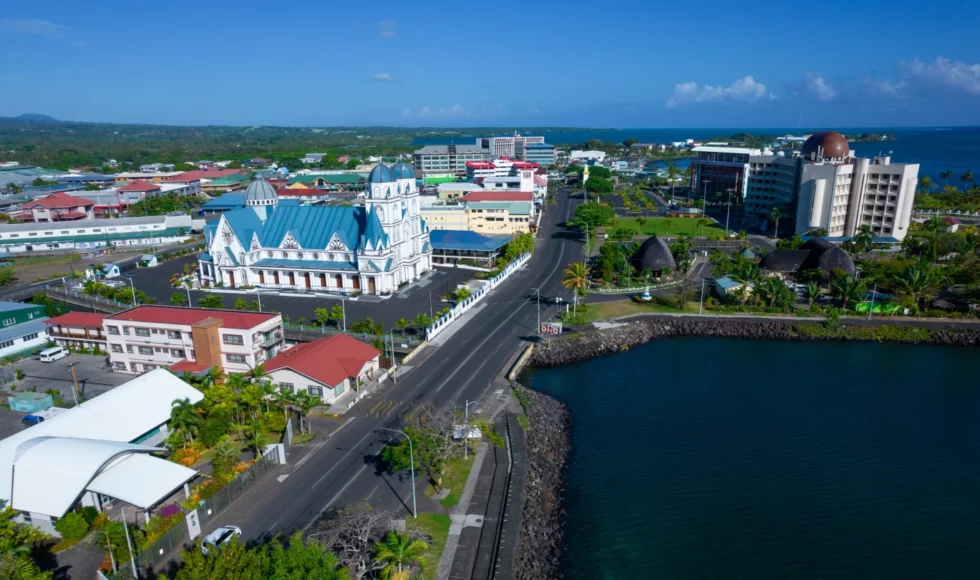
Samoa: An Ideal Tax Haven A small group of islands situated near the equator, Samoa offers an enticing and advantageous setting for the establishment of offshore companies. Known for its tropical climate that draws tourists and residents alike, Samoa boasts a favorable tax environment, largely overseen by the Samoan International Financial Services Authority (SIFA) since 2005. Two primary offshore formation products provided by SIFA, the Samoa International Company (IC) and the Samoa Limited Life Company (LLC), offer a myriad of advantages to their clients, primarily the absence of local taxes, auditing requirements, and financial account submissions. Despite facing pressure from the Australian government to reform its offshore industry, Samoa has not been subjected to negative connotations in the offshore banking or financial services arena. The Upsides of Samoa as a Tax Haven Several benefits make Samoa an attractive destination for offshore businesses. To start, the Samoan government has not entered any double taxation treaties with other countries. Additionally, the country enjoys complete political, economic, and social stability and is not blacklisted by any international organizations like OECD or FATF. Its robust asset protection legislation prevents foreign government court orders, and its SIFA legislation ensures client confidentiality. Samoa offers zero taxes for all its international offshore companies, and there are no requirements for annual reporting, accounting, or any financial auditing for offshore businesses. Moreover, the islands have modern infrastructure, roads, ports, and airports, as well as telecommunications, making them an attractive and accessible location for businesses. Samoa as a Tax Haven: Background Insights Geographical Location Samoa, also known as ‘The Sacred Center of the Universe’, is a part of the Samoan Islands located in the South Pacific Ocean between Hawaii and Australia. The two main islands, Upolu and Savai’I, constitute 99% of Samoa’s total land mass. Political Structure Samoa operates on a parliamentary representative democracy model similar to that of Britain. The governance is headed by a Prime Minister (PM), backed by a cabinet of twelve appointed members, all subject to the continuing confidence of the legislature. A traditional Samoan fa’amatai system also exists alongside the more westernized style of governance, dealing with criminal and social issues within the country’s 360 village councils. Economy and Infrastructure Historically reliant on agriculture and local fishing, Samoa has recently leaned towards personal remittances, tourism, development aid, and agricultural exports to support its economy. The country’s capital, Apia, is equipped with a modern international airport and has witnessed major infrastructure improvements like the installation of wireless 3G broadband access, roadworks, and a new marina and harbor. Exchange Control Samoa imposes no exchange controls or currency regulations. The local currency, the Tala (SAT), is regulated by the Central Bank of Samoa, with its exchange rate pegged against a basket of currencies from its six major trading partners. Type of Law The country’s offshore financial laws are predominantly based on English Common Law, adapted from other notable offshore financial jurisdictions. Samoa has signed several tax information exchange agreements with thirteen other countries to curb tax fraud and money laundering. Corporate Legislation: The Foundation Samoa’s International Finance Authority (SIFA), under the aegis of the Central Bank of Samoa, governs the offshore financial market. The Samoan government has adopted a series of legislations, such as the International Companies Act 1987 and the Offshore Banking Act 1987, to establish a safe, credible, and liberal offshore financial market. Taxation of Offshore Companies While Samoa levies a 27% tax rate on local residents, its international offshore companies enjoy complete exemption from all local taxation, inclusive of taxes on profits, capital gains, transactions, and contracts. This exemption, combined with the nation’s other benefits, has positioned Samoa as a preferred choice for offshore companies seeking tax-efficient jurisdictions.
The Global Offshore Landscape in New Zealand New Zealand has successfully positioned itself as an attractive destination for offshore activities, despite not being classified as a conventional tax haven or offshore financial center. With English as the predominant business and government language, New Zealand extends various benefits found in more traditional offshore jurisdictions. Among the entities accessible in this context are: Being a member of the British Commonwealth, New Zealand flaunts a stable democracy along with a comprehensive legal system anchored in British common law. In addition, it is a participant in international organizations like the Organization for Economic Cooperation and Development (OECD), the World Bank, and more. Notably, New Zealand’s Financial Service Providers Act of 2008 allows the establishment of companies as Financial Service Providers (FSP). Consequently, these New Zealand-based financial companies can provide banking and other financial services to private individuals and corporations globally. The Allure of New Zealand as a Potential Tax Haven New Zealand’s high position on the Index of Economic Freedom (5th in 2014) and its recognition as one of the world’s freest economies since 2007 contribute to its status as a prime offshore jurisdiction. Key advantages of New Zealand as a potential tax haven include: New Zealand also offers enticing residency opportunities through investment, as well as a well-developed infrastructure including a progressive economy, efficient telecommunication services, competitive air travel, reliable global banking services, and legal experts providing advice on trust and company requirements. New Zealand’s Geo-Political Landscape and Economy Located in the southwestern Pacific Ocean, New Zealand’s political structure is a constitutional monarchy within the British Commonwealth of Nations. With a democratically elected House of Representatives, the country is recognized for its political stability, governance transparency, and minimal corruption. New Zealand’s economy is largely dependent on commodity production and foreign trade, with Australia, China, the United States, and Japan being its primary trading partners. Despite urbanization trends, agriculture and natural resources remain key industry sectors. The nation’s GDP growth rate is consistent, with a robust road and highway system, frequent international and regional airports, exporting seaports, and a well-developed telecommunications infrastructure supporting its economic activities. New Zealand’s Legal Structure and Corporate Legislation New Zealand is renowned for its transparent, competitive, and corruption-free governance, with strong enforcement of intellectual property rights and private property rights. Corporate legislation in New Zealand, which includes the Company Act 1993, the Financial Reporting Act 1993, and the Limited Partnerships Act 2008, allows for the creation of a border-less international banking business with minimal regulatory provisions. In conclusion, while New Zealand might not fit the classic definition of a tax haven, it certainly provides many of the advantages commonly associated with such jurisdictions. Its robust legal system, progressive economy, and favorable business environment make it an attractive destination for global investors and corporations looking for offshore options.
Understanding the Global Offshore Business Environment in the Marshall Islands The Marshall Islands, a cluster of atolls in the South Pacific, present a fascinating case in the offshore financial landscape. As a popular jurisdiction for international business companies (IBCs), or non-resident corporations, this archipelagic nation stands out due to its distinctive corporate laws, confidentiality safeguards, and absence of local taxation for IBCs. Under the Marshall Islands Business Corporations Act, IBCs are exempted from local taxes. The country’s legislative framework accommodates a broad spectrum of business ventures. This flexibility, coupled with the absence of public registers for company officers and the lack of requirements to file accounts with the government, has made the Marshall Islands an enticing prospect for global investors since the early 1990s. The islands’ distinctive charm is augmented by its tropical climate and a corporate environment that promotes public trading, capital raising, and third-party trading. Together, these factors, alongside the lack of tax information-sharing agreements, position the Marshall Islands as a potential offshore financial center. Unveiling the Benefits of Marshall Islands as a Tax Haven Some of the primary benefits that have encouraged businesses to establish a presence in the Marshall Islands include the flexibility of corporate structure arrangements and the requirement of only one director for company formation. Furthermore, the Islands do not mandate the submission of financial or audited accounts, and there are no exchange controls in place. The political and economic stability, along with the assurance of confidentiality for directors and beneficial owners, also contribute to the appeal of this jurisdiction. The official language being English only eases the process of business establishment and operation. Delving into the Marshall Islands’ Location, Politics, and Economy The Republic of the Marshall Islands is a part of Micronesia, comprising over 24 coral atolls in the Pacific Ocean, with Majuro being its most populous atoll and the nation’s capital. The country has had a complex political history, transitioning from Spanish East Indies to German possession, then Japanese occupation, and finally, under U.S. control after World War II. In 1979, the U.S. granted self-governance to the Marshall Islands, leading to complete sovereignty in 1986 under a Compact of Free Association. The Marshall Islands’ economy is primarily service-based, complemented by fishing and agriculture. However, the lack of natural resources means the nation heavily relies on aid from the U.S., accounting for a significant portion of the Islands’ GDP. Despite the predominant dependence on foreign aid, the Marshall Islands has a modern economy centred on Majuro and Ebeye, incorporating banking, insurance, service, tourism, and food processing. Moreover, fishing plays a vital role in the country’s economy and food supply. Legal and Corporate Legislation Overview The Marshall Islands incorporates a hybrid legal system influenced by U.S. and U.K. law. Principal corporate legislation includes the Association Law of the Republic of the Marshall Islands 1990, containing the Business Corporations Act, the Limited Partnership Act, the Limited Liability Company Act, and the revised Partnership Act. Marshall Islands Non-resident Domestic Corporations are exempt from all forms of tax, including corporate tax, income tax, dividends tax, capital gains tax, inheritance tax, gift tax, and stamp duty. However, local residents conducting business within the country are subject to a corporate tax rate of 3%. Conclusion The Marshall Islands certainly possess qualities of a tax haven, from its tax-friendly regime to modern corporate legislation, flexibility of business activities, confidentiality safeguards, and political stability. However, its reliance on U.S. aid for a substantial part of its GDP hints at an economic vulnerability. Hence, businesses looking to take advantage of offshore opportunities in the Marshall Islands must carefully consider these factors and seek professional advice to ensure a comprehensive understanding of the implications.
Understanding Labuan: An Investor’s Paradise Labuan, a small archipelago situated off the Borneo coast, is a federal territory of Malaysia. Recognized for its non-resident friendly tax structures, Labuan has emerged as one of Asia’s preferred jurisdictions for offshore company formation. This offshore attraction was fostered by the Malaysian government, which enacted legislation in 1989 transforming Labuan into an international offshore financial centre. The offshore haven offers a myriad of perks, including convenient offshore incorporation laws, attractive tax benefits, and compliance with international standards. Its strategic geographical location further provides business owners access to Middle Eastern and Asian markets. Coupled with a pleasant climate, affordable living conditions, and a welcoming attitude towards foreign investors, Labuan has positioned itself as an ideal jurisdiction for entrepreneurs and investors aiming to form a tax-efficient company in a tax haven. Tax Haven Advantages in Labuan: Establishing an Offshore Business Labuan Offshore Companies benefit from little to no taxes, depending on the offshore company’s nature. A company can be formed with just a single director and shareholder who can be the same person. Moreover, there are no ownership restrictions, enabling full foreign ownership. The registration fees are low, with a minimum authorized capital requirement of 10,000 USD. Annual fees, while higher compared to other offshore jurisdictions, are balanced by other financial benefits. For instance, offshore banking, although not Labuan’s flagship offering, is easily accessible to foreigners, aided by the presence of major banks like HSBC, Maybank Offshore, and CIMB Bank Offshore. A bank account in Labuan helps maintain a “commercial substance”, a requirement for a Labuan International Company. Labuan guarantees a high degree of confidentiality for offshore companies and account holders. There is minimal disclosure required, and the Malaysian Federal Government cannot access banking information. Its strategic location offers easy access to Middle Eastern and Asian markets. Labuan, a “free port”, does not levy import or export duties on traded goods and sales taxes, further sweetening the deal. An offshore corporate setup is made easier by its infrastructure, including a well-qualified workforce, while the English language is widely spoken. Labuan: Unveiling a Tax Haven Location Labuan, officially known as the “Federal Territory of Labuan”, comprises Labuan Island and six smaller islands, with a total land area of about 92 square kilometers. Situated 8 kilometers off the Borneo coast in South East Asia, it has been an autonomous “federal territory” of Malaysia since 1984. Political Structure Labuan is administered primarily by the Malaysian federal government via the Ministry of Federal Territories. Malaysia operates as a constitutional monarchy under the “Westminster parliamentary system”, classified as a representative democracy. However, Labuan does have its own municipal government, the Labuan Corporation. Economy and Infrastructure Labuan’s flourishing economy thrives on its oil and gas resources and its offshore financial sector. The per capita GDP was approximately 62,000 Ringgits in 2016 (14,500 USD at current exchange rates). High-income levels and a high-quality life characterize Labuan. Guided by The Labuan Financial Services Authority (LOFSA), Labuan has witnessed substantial infrastructure investment, resulting in an efficient, modernized environment with a robust telecommunications system. Exchange Control Labuan Offshore Trading Companies are restricted from trading in the Malaysian Ringgit, nor can share capital be denominated in the Ringgit. Trade in most other currencies, primarily USD, is permitted, but restrictions apply to trading with Malaysian companies and residents. Type of Law and Principal Corporate Legislation Labuan falls under British Common Law, being part of Malaysian territory, but enjoys a certain degree of independence. The Labuan Financial Services Authority (LOFSA) oversees Labuan’s corporate laws, first outlined in the 1990 Offshore Companies Act. The Labuan Companies Act of 2010 currently governs the formation, taxation, and activities of Labuan International Companies. Offshore Companies and Taxation in Labuan Labuan houses two primary types of Offshore Companies: trading companies and non-trading (i.e., holding) companies. Non-trading offshore companies pay zero tax on foreign-earned income, while trading companies pay a mere 3% tax on their net profit, capped at 20,000 Malaysian Ringgit per year (about 4,700 USD). All these factors combined have been instrumental in Labuan earning its reputation as a tax haven. With its inviting taxation benefits, investor-friendly laws, and strategic location, it certainly does make a compelling case for consideration by entrepreneurs and investors alike.
Regarded globally for its robust financial sector, Hong Kong commands an esteemed position as a prominent corporate hub. Its reputation as a tax haven is amplified by comprehensive corporate laws, diverse investment prospects, and a corporate formation market that is globally recognized for non-resident business incorporation. In the Index of Economic Freedom, Hong Kong has consistently ranked as the world’s freest economy for 20 consecutive years. Despite the increasing control of mainland China over the territory, Hong Kong’s market openness, transparency in regulatory affairs, and competitive tax system fortify its status as a major financial center. Fueling the vigor of this dynamic economy is a highly motivated labor force that can swiftly rebound from global financial vicissitudes. Navigating the Corporate Banking Scene in Hong Kong Currently, Hong Kong presents an optimal choice for a multi-currency corporate account, supporting ten different currencies and providing internet banking facilities with some of the world’s largest banking institutions. The unique corporate banking structure of Hong Kong allows for seamless bank account opening with minimal requirements. For instance, no bank or reference letters are required under the current program. However, it’s essential to physically present oneself at the bank in Hong Kong for the pre-approval of the account. A minimum opening balance of around US$1,400 is required to initiate the process. Bank account opening can be achieved within three business days after forming a Hong Kong company, and only the signatory needs to be present, making it a highly convenient option worldwide. Harnessing Hong Kong’s Tax Haven Potential Annually, Hong Kong incorporates more companies than any other jurisdiction, with most of these being trading companies rather than entities purely for asset protection or tax evasion. This implies that there’s no direct suspicion of tax avoidance associated with Hong Kong-based companies. Being a recognized and respected jurisdiction that isn’t blacklisted, Hong Kong companies enjoy several advantages: Reflecting on the Constraints of a Hong Kong Company While there are numerous benefits to incorporating a company in Hong Kong, it’s also important to consider the potential drawbacks. Directors and Shareholders’ information is public, which can be a concern for some. However, this can be circumvented by using nominee services. Additionally, companies are required to have their annual accounts audited and filed, although the information isn’t publicly accessible. Companies must appoint a local resident secretary, and the annual fees may be higher due to the filing requirements. Delving into the Intricacies of Hong Kong’s Tax Haven Status Geographical Overview Located on the southeast coast of China, Hong Kong comprises numerous islands and a portion of the mainland, totaling approximately 1,025 sq. km. In 1997, Hong Kong was incorporated into China as a Special Administrative Region. Demographic Profile Currently, Hong Kong’s population stands at around 7 million, largely of Chinese origin, making it one of the most densely populated areas worldwide. Political Landscape Hong Kong’s political structure changed after it ceased to be a British Crown Colony in 1997. It elected its own legislature and maintained its court structure. The Chief Executive Officer is the head of the Hong Kong Special Administrative Region government, and the Legislative Council is its legislature. Infrastructure and Economy Recognized as one of the world’s most natural harbors, Victoria Harbour separates Hong Kong Island from the Kowloon peninsula. Hong Kong is a leading Southeast Asian center for both finance and commerce, ranking as the world’s third-largest financial center after New York and London. Legal Framework Hong Kong’s legal system is based on English Common Law, and company formations are regulated by the Companies Ordinance (Cap 32). Taxation of Offshore Companies For local corporations, the current tax rate stands at 16.5%. Companies with non-resident status or owned by non-residents can avail of various tax exemptions. The crux of Hong Kong’s tax haven status is its 0% tax rate on all foreign-sourced income. Thus, non-resident owners of a Hong Kong-incorporated company who earn all their income outside the country have no tax obligations. In conclusion, Hong Kong provides a favorable corporate and tax environment that attracts businesses worldwide. However, it’s crucial for companies to carefully consider all the pros and cons before deciding to incorporate in this dynamic jurisdiction.
The Cook Islands have, over time, carved a niche as one of the most sought-after offshore jurisdictions worldwide. Its robust asset protection, strategic tax planning benefits, and high-quality offshore banking services have positioned it as a tax haven par excellence. Harnessing the Power of the Exclusive Economic Zone The Cook Islands’ Exclusive Economic Zone is a tax-free territory spanning almost 2 million square kilometers around all the islands. This significant maritime expanse has been pivotal in establishing the Cook Islands as an efficient tax haven. The region specializes in asset protection trusts and offshore formation services, the practice dating back to the passing of legislation in 1989 and 1982. Through this legal framework, the Cook Islands offer individuals and corporations attractive tax-related advantages. By sidestepping usual tax obligations, entities enjoy enhanced layers of privacy and confidentiality. The Islands’ asset protection legislation is impressively stringent, effectively barring foreign authorities from accessing any account details. Interestingly, the Cook Islands generally ignore foreign court orders, thanks to their discretionary laws making it illegal to disclose any information linked to Cook trusts. The Allure of Offshore Packages The Cook Islands have been a preferred destination for individuals and businesses wanting a tax-free environment for establishing their base. They offer several offshore packages tailored to the specific needs of international clients, including the Cook Islands International Company (IC), Cook Islands Limited Liability Company (LLC), and Cook Islands Foundation. These offer a multitude of benefits including: The Cook Islands: A Geographical and Political Snapshot The Cook Islands, situated northeast of New Zealand and between American Samoa and French Polynesia, comprises fifteen islands. Its political structure can be traced back to Captain Cook, who explored them in 1773. The islands were proclaimed a protectorate by Great Britain in 1888 and ceded to New Zealand in 1901. They gained self-governing status in 1965, and currently operate under a ‘free association’ with New Zealand. They maintain membership in the British Commonwealth while being governed independently. The political system of the Cook Islands is a parliamentary representative democracy with Common Law, reflecting their history as a British protectorate. This autonomous Pacific nation actively supports offshore financial operations, which has significantly influenced its economy. The Economy and Infrastructure The geographical location of the Cook Islands significantly impacts their economy. Despite their isolation and limited capacity for mainstream economic activities, they have managed to base their economy on tourism, which contributes 67.5% of their GDP. The offshore sector, accounting for 8% of their GDP, has seen substantial growth due to several progressive legislative pieces. Fishing and local manufacturing industries, including black pearls, fruit processing, clothing, and handicrafts, also contribute to the Islands’ economy. The Cook Islands’ official currency is the New Zealand dollar, with no local restrictions on funds movement, and transactions can occur in any currency. Navigating Legal Frameworks The Cook Islands’ legal framework is based on English Common Law, which was instituted during British protection in 1888. The primary corporate legislation includes the Limited Liability Company Act 2008, International Companies Act 1982, and International Trusts Acts 1984. Further legislation pertaining to international investors, offshore insurance, and banking sectors contribute to forming a comprehensive legal network for offshore activities. Taxation Policies: An Overview All international entities classified as non-residents are exempt from taxation, determined by the ownership of the company. This exemption extends to all types of taxation, including corporate tax, sales tax, income tax, and capital gains tax. In conclusion, the Cook Islands have become a reputable tax haven due to their favorable legislation, offering significant tax advantages and robust privacy measures.
In recent times, Brunei, a relatively lesser-known Southeast Asian nation, has been witnessing significant attention from businesses worldwide for its potential as a tax haven. Brunei’s robust macroeconomic stability, remarkable tax regime, and minimal inflation present a strong case for considering this small yet robust nation as a destination for offshore company formation. This article aims to offer an in-depth examination of Brunei’s potential as a tax haven, analysing various contributing factors such as the political structure, economic conditions, and the business-friendly legislative environment. Brunei’s Unique Economic Advantages Emerging as an economic powerhouse between 1999 and 2008, Brunei demonstrated an impressive 5.6% growth rate, positioning the country well ahead of its neighboring counterparts in various quality of life indicators. Today, Brunei stands second in terms of the quality of life within the Association of Southeast Asian Nations (ASEAN) and boasts the highest Human Development Index (HDI) in the Islamic world. Notably, the Brunei Monetary Authority regulates the formation and regulations of business companies in the nation, ensuring a streamlined, efficient process for businesses. The country’s economic growth, coupled with its highly developed Islamic financial market, makes it one of Asia’s fastest-growing offshore financial centers. Tax Regime and Offshore Benefits Brunei provides several advantages that make it attractive for offshore company formation. These include one of the world’s lowest inflation rates and the third most favorable tax regime in Asia. This economic stability is complemented by the highest macroeconomic stability globally, according to the Global Competitiveness Report 2010. Moreover, Brunei offers Islamic banking, strict banking secrecy laws, and the absence of public registries for directors and shareholders. These features, alongside the absence of any requirement for company accounts to be publicly available, add to the appeal for businesses. The country’s confidentiality laws and low tax opportunities have garnered considerable attention, with Brunei’s bank secrecy regulations ranked as the world’s third most protective, trailing only Seychelles and Samoa. Understanding Brunei: Location and Political Structure Brunei, known as ‘the Abode of Peace,’ is a sovereign state situated on the island of Borneo’s northern coast in Southeast Asia. Enclosed by the Malaysian state of Sarawak except for its South China Sea coastline, Brunei is split into two parts by the Sarawak district of Limbang. In terms of its political structure, Brunei is a constitutionally governed Malay Islamic monarchy, with the Sultan of Brunei acting as both the head of state and the government. The country has a legislative council comprising thirty-six appointed members, and it operates under a dual legal system based on English Common Law and Islamic law. Infrastructure, Economy, and Exchange Control Brunei has demonstrated economic stability, evident in its low inflation rate of just 1.2% and its distinction as one of two countries globally with neither public debt nor deficit. The country’s economy largely hinges on crude oil and natural gas production, accounting for nearly 60% of its economy. Brunei’s infrastructure is well-developed, connected by a comprehensive road network and accessible by air, sea, and land. It boasts modern telecommunications networks, providing up-to-date landline and broadband facilities along with a 3G network. Importantly, Brunei imposes no exchange or capital controls, further strengthening its position as a potential tax haven. Legal Framework and Corporate Legislation Brunei operates under a dual legal system, with English Common Law forming the foundation of one, while the other relies on Islamic law, primarily dealing with civil matters. The International Business Companies Order 2000 governs offshore International Business Companies (IBC) based in Brunei. Taxation Landscape A significant factor contributing to Brunei’s potential status as a tax haven is its taxation policies. An IBC based in Brunei is exempt from all local taxation, including capital gains, dividends, income, and corporate taxes. Moreover, for local residents, Brunei boasts some of the lowest tax rates in ASEAN. Conclusion Given its strong macroeconomic stability, favorable tax regime, and a legal environment conducive to businesses, Brunei is undoubtedly garnering attention as a potential offshore tax haven. While the country’s reputation as a potential tax haven is a work in progress, the current indicators suggest a bright future for offshore business entities considering Brunei as their destination.
St. Vincent and the Grenadines (SVG) have emerged as a favored jurisdiction for international offshore business registration, owing mainly to the country’s robust legal infrastructure, especially the Preservation of Confidential Relationships (International Finance) Act of 1996. This act is globally renowned for providing stringent protections for financial privacy, distinguishing SVG as one of only three countries that have implemented comprehensive financial privacy legislation. This legal shield strictly guards against disclosure of confidential data to external jurisdictions, permitting exceptions only in cases of criminal proceedings validated by both SVG and the foreign jurisdiction. In essence, these laws do not permit disclosures for mere infringements on a jurisdiction’s tax codes or revenue regulations. This, combined with the English common law system and English being the language of the government and commerce, has resulted in a robust offshore registration environment. SVG’s Dynamic Economy and Diversification The SVG government has made significant strides in diversifying an economy once heavily reliant on fruit exports. This diversification effort has led to an increase in tourism, now a significant contributor to the country’s foreign exchange earnings. The government has also streamlined the process of opening an offshore bank account, offering non-residents ease of setup, low fees, and multi-currency support. Additionally, SVG is actively involved in several international organizations, including the World Trade Organization, the International Monetary Fund, and the World Bank. The country also maintains robust economic relationships with key global players, including the United States, Canada, China, and European Community countries, bolstering its economic stability and investor attractiveness. The Appeal of SVG as a Tax Haven St. Vincent International Business Companies (IBCs) provide a conducive environment for international trading, investment activities, asset protection, ownership of intellectual property, and the buying and selling of goods. They benefit from the world’s most stringent secrecy and confidentiality laws, a fast company formation process, the non-disclosure of company officers and owners, and the freedom to issue bearer shares. There are no residency or nationality requirements for directors, shareholders, or other officers in an SVG IBC. Companies also enjoy a 25-year exemption from taxes, with no personal income taxes, corporate taxes, or estate taxes. Additionally, an IBC owner can repatriate all capital, dividends, profits, and royalties without taxes or foreign exchange transaction charges. A Closer Look at SVG as a Tax Haven Location St. Vincent and the Grenadines is a multi-island nation in the Caribbean. The main island, St. Vincent, houses most of the country’s population. With St. Lucia to the north, Grenada to the south, and Barbados to the east, SVG is conveniently located amongst several tourist hotspots. Political Structure St. Vincent boasts a stable political structure, having been a parliamentary democracy and constitutional monarchy since gaining independence in 1979. Its judicial system comprises the Eastern Caribbean Supreme Court and a court of appeals. The country has not experienced any political violence or strife in recent history, providing a stable environment for investors. Economy and Infrastructure SVG has made substantial progress in diversifying its economy, which was once heavily reliant on agriculture. Today, the services sector accounts for 57% of the economy, agriculture 26%, and industry 17%. Tourism has grown significantly and has overtaken banana sales as the leading source of foreign exchange. St. Vincent is a part of various international organizations that influence the country’s economic trajectory. Its infrastructure includes a state-of-the-art fiber optic digital telephone system, the internet, cellular services, a deep-water harbor, and regular maritime services. Legal Structure SVG law is derived from English common law and statutes, with its own body of statutory laws. It has implemented several laws and regulations concerning taxation.Caribbean Paradise: Understanding St. Vincent’s Tax Haven Reputation 1. Overview of St. Vincent’s Offshore Company Environment St. Vincent and the Grenadines is a sovereign island nation that has made a name for itself as a tax haven. Much of this reputation comes from the country’s stringent privacy laws, established under the Preservation of Confidential Relationships (International Finance) Act 1996. This legislation has set some of the most rigorous confidentiality regulations on a global scale. Frequently known as St. Vincent or SVG, this nation stands as one of the three worldwide that enforce comprehensive financial privacy laws to prevent the disclosure of confidential information to any external jurisdiction. This information release is strictly regulated, only permitted in instances of ongoing criminal legal action against a perpetrator in a different country, and cannot be due to mere infringements of tax code or revenue regulations. St. Vincent, a former British Crown Colony until its independence in 1979, boasts political stability under its parliamentary democracy, with laws rooted in English common law. Its primary language for government, commerce, and everyday conversation is English, making it an accessible location for international investors and companies. 2. The St. Vincent Economic Landscape St. Vincent’s banking system provides ease for non-residents seeking to open an offshore bank account, offering low fees and multi-currency options without the need for in-person meetings. With an open economic approach, St. Vincent’s government has made strides in diversifying an economy that was previously heavily reliant on fruit exports. In recent times, the island’s economy has seen a boost from tourism, which has now surpassed agricultural exports as the primary source of foreign exchange. St. Vincent’s active membership in several international and regional organizations like the World Trade Organization, the International Monetary Fund, and the World Bank, coupled with its strong economic connections with countries like the United States, Canada, and China, further bolsters its economic standing. 3. Advantages of St. Vincent & The Grenadines as a Tax Haven St. Vincent International Business Companies (IBC) provides several benefits, from international trading and investment activities to asset protection and intellectual property ownership. Its strong banking system, featuring banks with a history dating back to 1837, and flourishing financial services sector make St. Vincent a robust economy for offshore companies. Additionally, company formation in St. Vincent is a quick process, ranging between one to five days, with no disclosure requirements for the company’s officers, directors, or beneficial owners. Further